Essential Silkworm Rearing Tips for Healthy Bombyx Mori
Raising Bombyx mori at home is a rewarding experience that connects you to one of humanity's oldest agricultural practices: sericulture. Whether you are a hobbyist or a small-scale producer, understanding the nuances of their care can mean the difference between a thriving colony and one that struggles. After years of working with these delicate insects, I have gathered a handful of practical silkworm rearing tips that I wish I had known from the start.
The first thing to appreciate is that silkworms are not like other pets. They are entirely dependent on fresh mulberry leaves for their nutrition, and their environment must be carefully managed. Let me walk you through the core areas that will set you up for success.
Getting Started with Silkworm Eggs
Your entire operation begins with silkworm eggs. These tiny, dark specks can remain dormant for months if stored properly, but once you place them in a warm, humid environment, they will hatch within a week. I keep my eggs in a shallow dish on a piece of paper, placed inside a simple incubator made from a plastic container with a damp cloth. Temperature control is critical at this stage: aim for a steady 24-27 degrees Celsius. If the temperature dips too low, hatching slows or fails; if it spikes above 30 degrees, the eggs may desiccate.
When the eggs begin to turn a pale grey, hatching is imminent. The newly emerged silkworm larvae are incredibly small, less than five millimetres long. At this point, you need to have a supply of young, tender mulberry leaves ready. The larvae will not eat tougher leaves, so I pick the smallest leaves from the top of the mulberry tree, or use the first flush of new growth in spring. This is one of the first silkworm rearing tips that many beginners overlook: the quality of the first meal matters enormously.
Feeding Schedule and Mulberry Leaf Care
Silkworms are voracious eaters. From the moment they hatch, they feed almost constantly. I follow a strict feeding schedule: fresh leaves in the morning, a top-up at midday, and another in the evening. As the silkworm larvae grow, their appetite increases dramatically. By the fourth instar, a single tray of fifty larvae can consume a kilogram of leaves per day.
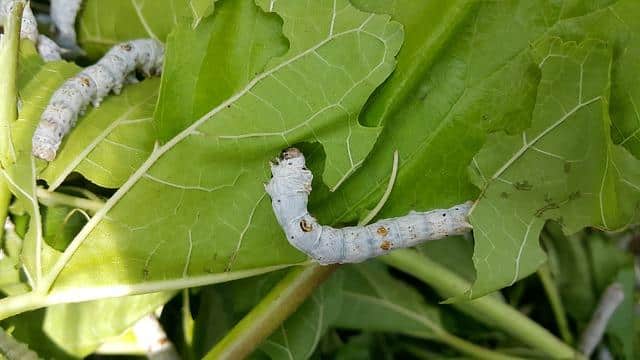
Mulberry leaves must be dry when you offer them. Wet leaves can cause silkworm diseases such as flacherie, a bacterial infection that spreads quickly through a colony. I wash the leaves only if they are dusty, and then I pat them dry with a cloth. Storing leaves in the refrigerator in a sealed bag keeps them fresh for two or three days, but I prefer to pick fresh leaves daily. The larvae can taste the difference, and they grow faster on fresh foliage.
Do not overfeed. Old, wilted leaves accumulate in the rearing trays and rot, promoting mould and disease. I remove uneaten leaves and droppings every day. This is where silkworm bedding comes into play. I use a layer of newspaper or a thin cotton cloth at the bottom of the tray. The bedding absorbs moisture and makes cleaning straightforward. When the bedding becomes soiled, I slide it out and replace it with a fresh piece.
Managing the Environment
Temperature control and humidity management go hand in hand. Silkworms thrive in a warm, still environment. I keep my rearing room at around 25 degrees Celsius, with relative humidity between 70 and 80 percent. If the air is too dry, the silkworm larvae struggle to moult; their old skin sticks to them, causing deformities or death. A simple spray bottle used to mist the air around the trays helps, but I avoid spraying directly onto the larvae.
Ventilation is also important. While silkworms do not need a breeze, stale air can encourage fungal growth. I open the windows in the room for a few minutes each day, or use a small fan on the lowest setting aimed away from the trays. One of the key silkworm rearing tips I have learned is to watch the larvae themselves. If they become sluggish and stop feeding, check the temperature and humidity first. They are sensitive indicators of environmental stress.
Breeding and the Bombyx Mori Life Cycle
Understanding the Bombyx mori life cycle helps you anticipate each stage. After about four weeks of feeding, the silkworm larvae will stop eating and begin to wander. This is the signal that they are ready to spin cocoons. At this point, I provide a structure for them: a bundle of twigs, a cardboard egg carton, or a purpose-built frame. The larvae climb up and start spinning their silken homes.
The cocoon phase lasts roughly two weeks. Inside, the larva transforms into a silkworm pupa and then into a chrysalis. This is a quiet period, but you must maintain the same temperature and humidity. If the cocoons become too dry, the pupae may die. If they become damp, mould can set in. I keep the cocoons in a well-ventilated box away from direct sunlight.
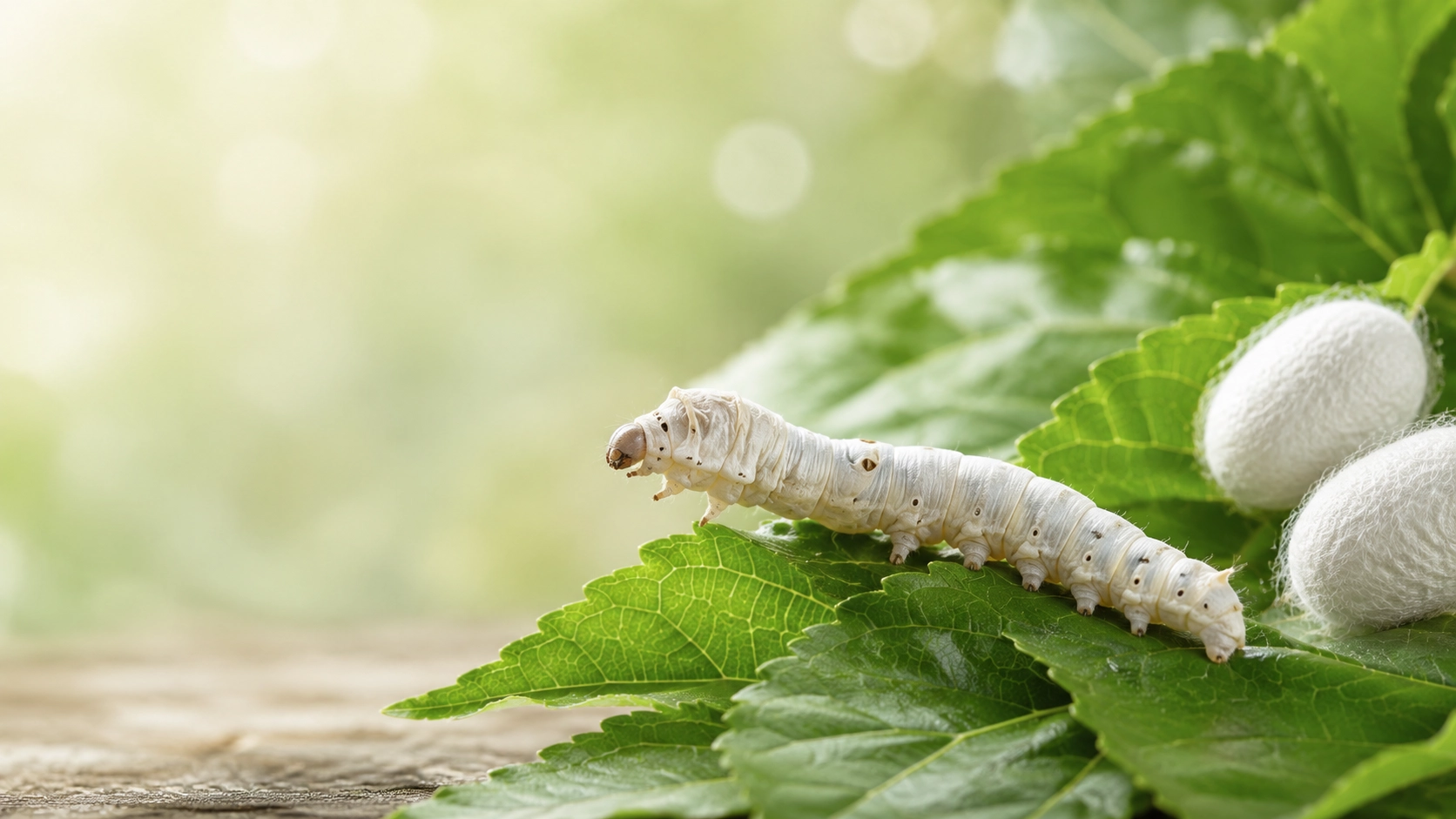
After the transformation is complete, the silkworm moth emerges. The adult moths do not eat; they live only to mate and lay eggs. I collect the eggs on a piece of paper placed at the bottom of the cage. Each female lays several hundred eggs, so a single generation can quickly expand your colony. For those interested in silkworm breeding, selecting the largest and healthiest cocoons for the next generation improves your stock over time.
Harvesting Cocoons and Silk Reeling
If you want to harvest silk, you must intervene before the moth emerges. The moth pushes through the cocoon, breaking the single continuous filament. For cocoon harvesting, I wait until the cocoons are firm and the pupae have fully formed. Then I plunge them into hot water to kill the pupae and dissolve the sericin, the gum that holds the silk fibres together. This process is called silk reeling, and it is an art in itself.
For the hobbyist, there is also value in letting the moths emerge. Watching a silkworm moth unfold its wings is a fascinating experience. The moths are pale, almost white, and they flutter weakly. They do not fly far. After mating, the females lay eggs and then die within a week. The entire cycle from egg to moth spans about six to eight weeks, depending on temperature.
Common Pitfalls and Diseases
Silkworm diseases can devastate a colony quickly. The most common issues come from poor hygiene. Bacteria, fungi, and viruses thrive in dirty rearing trays. Pebrine is a microscopic parasite that infects eggs and larvae, causing them to stop growing. The only prevention is to start with disease-free eggs from a reputable supplier. I buy my eggs from a dedicated silkworm farm that tests their stock regularly.
Another problem is overcrowding. Silkworm larvae need space to move and feed. If you pack too many into one tray, they compete for food and produce more waste, which raises ammonia levels. I keep no more than one hundred larvae per standard rearing tray. Spacing also helps with temperature control because a dense mass of larvae generates its own heat, which can push the local temperature above the safe range.
Final Practical Notes
One of the most overlooked silkworm rearing tips is to keep a notebook. Write down when the eggs hatched, when you changed the leaves, and when the larvae moulted. Over time, you will spot patterns that help you refine your approach. For instance, I noticed that my larvae fed most actively in the late afternoon, so I give them the largest portion of leaves at that time.
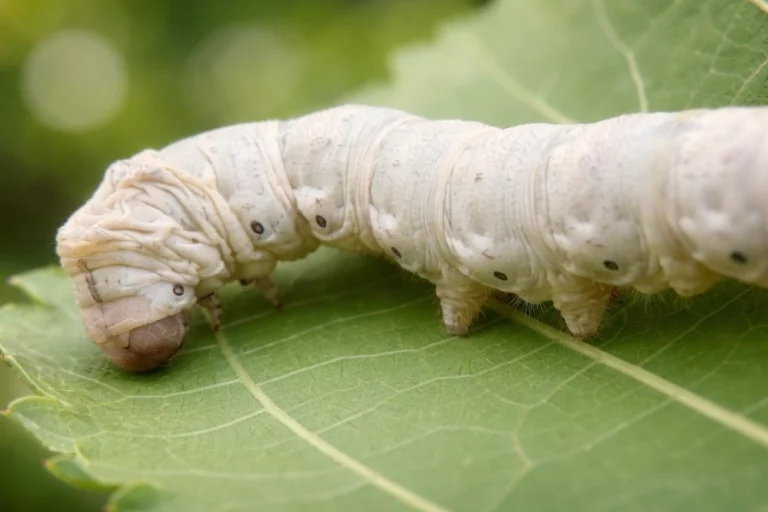
Mulberry leaves are the only food for Bombyx mori. Do not try to substitute with other leaves; they will not eat them. If you live in a place where mulberry trees are scarce, you can grow your own from cuttings. A single mature tree can feed hundreds of silkworms through a full life cycle. I have two trees in my garden, and I rotate picking leaves from different branches to avoid stripping any one area.
Finally, patience is your greatest tool. Silkworms operate on their own schedule. You cannot speed up the Bombyx mori life cycle. You can only provide the right conditions and let nature take its course. The reward is a steady supply of cocoons, a deeper understanding of sericulture, and the simple pleasure of watching these ancient creatures go about their business.